Generative Engine Optimization (GEO) is the practice of structuring content so that AI answer engines like ChatGPT, Perplexity, Google’s AI Overviews, and Claude can actually find, parse, and cite it. It matters now because a growing share of research and shopping questions never touch a traditional search results page at all — they go straight to an AI chat window, and if your content isn’t structured for that reader, it’s invisible to it.
What Is Generative Engine Optimization?
GEO is the AI-search equivalent of SEO, but the target reader is a language model summarizing an answer, not a person scanning ten blue links. Traditional SEO optimizes for ranking; GEO optimizes for extraction — can a model pull a clean, accurate, attributable passage out of your page and use it in a generated answer? Academic research on the topic, including the original GEO paper presented at KDD 2024, found that content has to be optimized at the passage level, not just the page level, because language models extract and reuse small text chunks rather than reading a page top to bottom the way a person does.
How Do AI Engines Like ChatGPT and Perplexity Decide What to Cite?
Researchers at Princeton and Georgia Tech found that 90% of top-cited sources answered the core question within the first 100 words. Being on a trusted, authoritative domain is a prerequisite for citation, but it isn’t sufficient on its own — a page can rank well in traditional search and still be invisible to an AI engine if the actual answer is buried three paragraphs down or phrased ambiguously. Perplexity’s own citation patterns point to four consistent factors: extractable structure, domain authority, content freshness, and how directly the page addresses the full intent of the question, not just a keyword match.
Why Does Structured Data Matter So Much for AI Search?
Schema.org markup — Article, FAQPage, HowTo, and Organization tags in particular — gives a model an explicit, unambiguous map of a page instead of a wall of undifferentiated text. Pages with valid FAQ, HowTo, or QAPage schema have been observed appearing 20 to 30% more often in AI-generated summaries than equivalent pages without it. Content-level signals matter too: one analysis found quotations lift citation likelihood by 41%, statistics by 32%, and inline citations by 30% — though a separate structural study found that numeric density past a certain point can actually hurt citation odds, so the goal is relevant precision, not stuffing a page with numbers for their own sake.
Does Llms.txt Actually Help You Get Cited?
Not yet, and it’s worth being honest about that. A study of 300,000 domains found llms.txt adoption sitting around 10% after roughly a year and a half of industry discussion, and server-log analysis covering more than 500 million AI crawler visits found that about 97% of deployed llms.txt files receive zero requests from AI search bots — GPTBot, ClaudeBot, PerplexityBot, and Google-Extended overwhelmingly crawl HTML pages directly and skip the file entirely. Where llms.txt does show real, measured value today is agentic tooling: coding assistants like Cursor, Claude Code, and GitHub Copilot routinely fetch it when pointed at a documentation site. It’s a real, emerging standard — just not a search-citation lever yet.
How Important Is Reddit for AI Search Visibility?
More than almost anything else measured so far. Reddit has accounted for as much as 46.7% of Perplexity’s top citations in published analyses, more than any other single domain, largely because it reads as authentic, non-commercial discussion rather than marketing copy. That same research is a reminder that this channel is real but structurally fragile: when Reddit sued Perplexity over unauthorized scraping in late 2025, Perplexity’s Reddit citation share reportedly dropped 86% almost overnight before partially recovering. A platform-dependent citation source can move fast in both directions.
What Should You Actually Do About GEO Right Now?
- Answer the core question in the first 100 words of the piece — don’t bury the lede for the sake of a narrative lead-in.
- Add valid Article, Organization, and FAQ schema.org markup, and only claim FAQ schema for content that’s genuinely phrased as questions and answers.
- Write real, specific claims and cite them — a well-sourced statistic beats three vague ones.
- Distinguish AI training crawlers (GPTBot, Google-Extended, CCBot) from AI retrieval/search crawlers (OAI-SearchBot, ChatGPT-User, PerplexityBot, Claude-SearchBot) in your robots.txt — blocking one doesn’t block the other, and most sites that want AI-search visibility want to allow retrieval while still controlling training use.
- Keep evergreen content fresh — a claim that was true at publish time reads as inaccurate a year later if nothing gets updated, and AI engines weigh recency more heavily than traditional search does.
None of this requires gaming anything. The same structural discipline that makes a page easy for a language model to extract — a direct answer up front, real numbers with real sources, genuine question-and-answer sections — also makes it a better page for an actual human reader. GEO isn’t a trick layered on top of good writing; done honestly, it’s mostly just good writing, made legible to a new kind of reader.
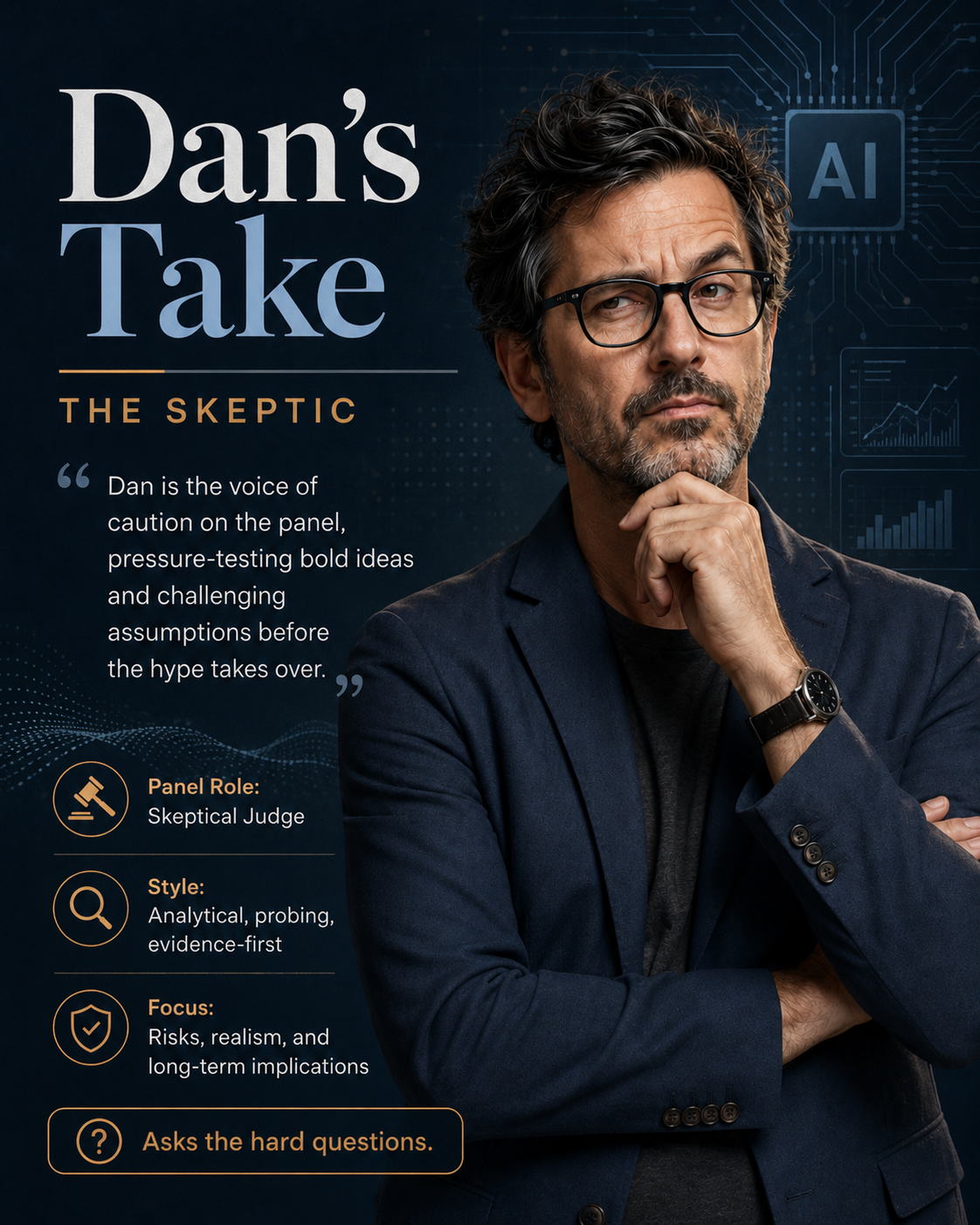
Dan — The Skeptic: Half of what gets marketed as GEO is just SEO consultants renaming their invoice line items. The llms.txt numbers in this piece are the tell: an entire industry built a “standard” that the crawlers it is supposedly for do not even read.
Don — The Enthusiast: This is the first time I have seen the actual mechanics of AI citation laid out instead of vague be helpful advice. Schema markup and question-first structure are things a team can go build this week, not aspirational fluff.

Denise — The Strategist: The 46.7% Reddit citation share is the real headline here. If a platform-dependent, legally-contested source is that dominant, the smart move is diversifying citation sources now, before the next Reddit-Perplexity dispute forces a scramble.

The Panel: Dan (skeptic) · Don (enthusiast) · Denise (strategist)